Steel and Scrap Metal
Separated and directed to metal recycling.
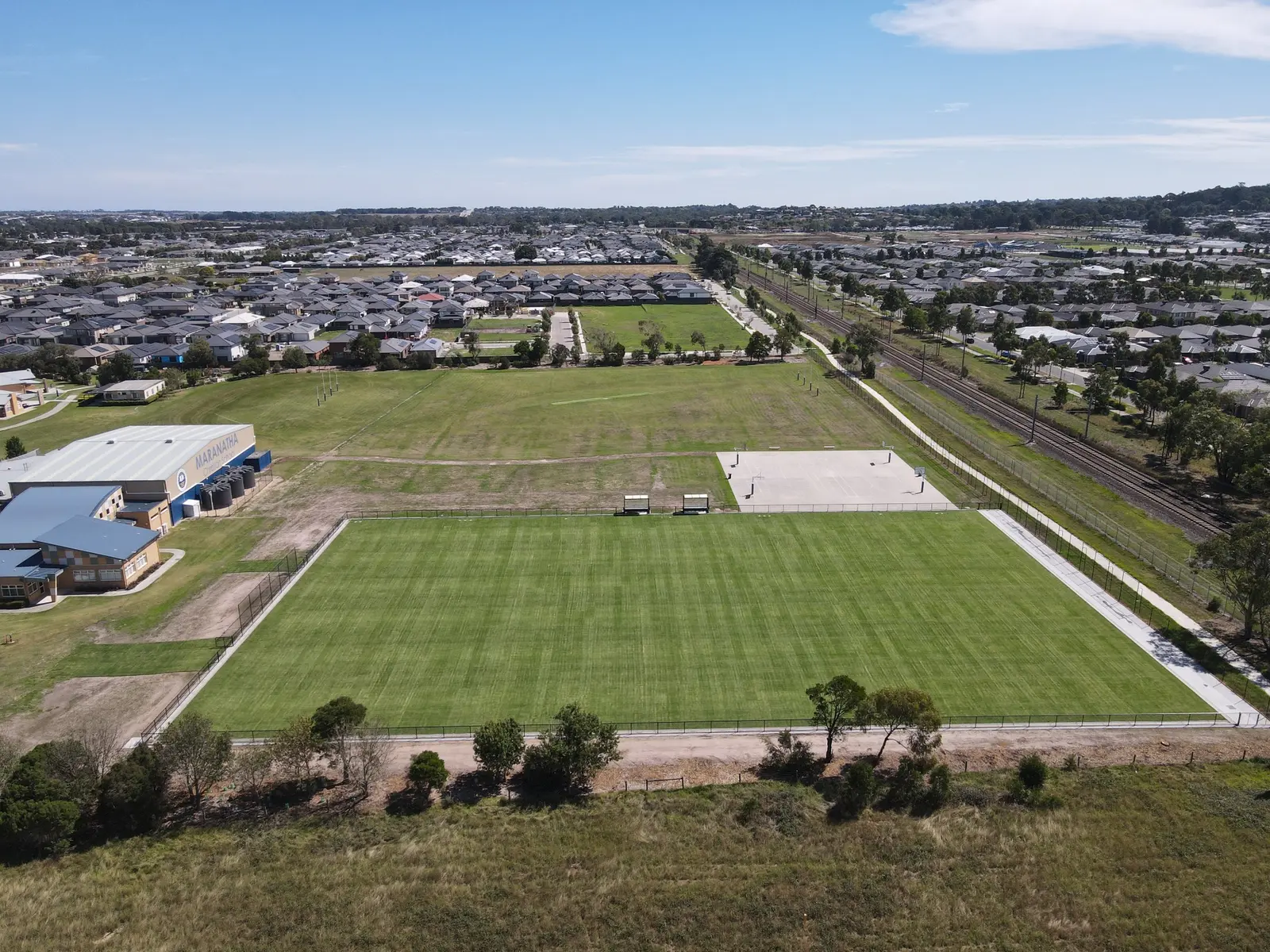
Environmental responsibility is part of how SJM plans, procures and delivers—not an afterthought. From recycling in the site shed to recovering construction materials, we look for practical ways to reduce waste and protect the places where we work.
SJM operates under an ISO 14001 certified environmental management system. That framework supports a practical approach: identify the environmental risks, plan the controls, brief the people carrying out the work and keep checking that those controls remain effective.
Every project is different. We consider the site, design, material quantities, neighbouring community and client requirements so the environmental approach is relevant to the work being delivered.

Small daily decisions add up. Our teams are expected to separate what can be recovered, question what can be reused and control what must be removed.
Separated and directed to metal recycling.
Plastic bottles and cans collected through labelled recycling points.
Recovered for reuse or recycling where suitable facilities are available.
Assessed for safe, specification-compliant reuse before off-site disposal.
Reused, repurposed or directed to an appropriate green-waste stream where practical.
Minimised, contained and transported to an approved facility.
Our approach follows the complete construction sequence—from early planning and material selection through site delivery, establishment and handover.
Recycling starts at site establishment. Clearly identified streams help our teams separate steel, scrap metal, cardboard, timber, rigid plastics, drink containers and other recoverable materials from general waste.
Before material leaves site, we consider whether suitable topsoil, clean fill, aggregates, timber or turf can be safely reused within the works. This can reduce both disposal and demand for new material.
Materials that cannot be recovered are directed to appropriate recycling or licensed disposal facilities. Waste streams are kept controlled, with records and dockets maintained where the project requires them.
Erosion, sediment, dust and runoff controls are planned around each site. Efficient drainage, irrigation commissioning and establishment practices help protect surrounding land and water while supporting the finished asset.
Our owned fleet lets us match the machine to the task, coordinate movements and reduce unnecessary handling. Preventative maintenance, delivery planning and responsible idling practices support more efficient site operations.
Environmental expectations are reinforced through inductions, toolbox talks, site inspections and clear subcontractor requirements. Responsibility sits with the whole project team—not with one document on a shelf.
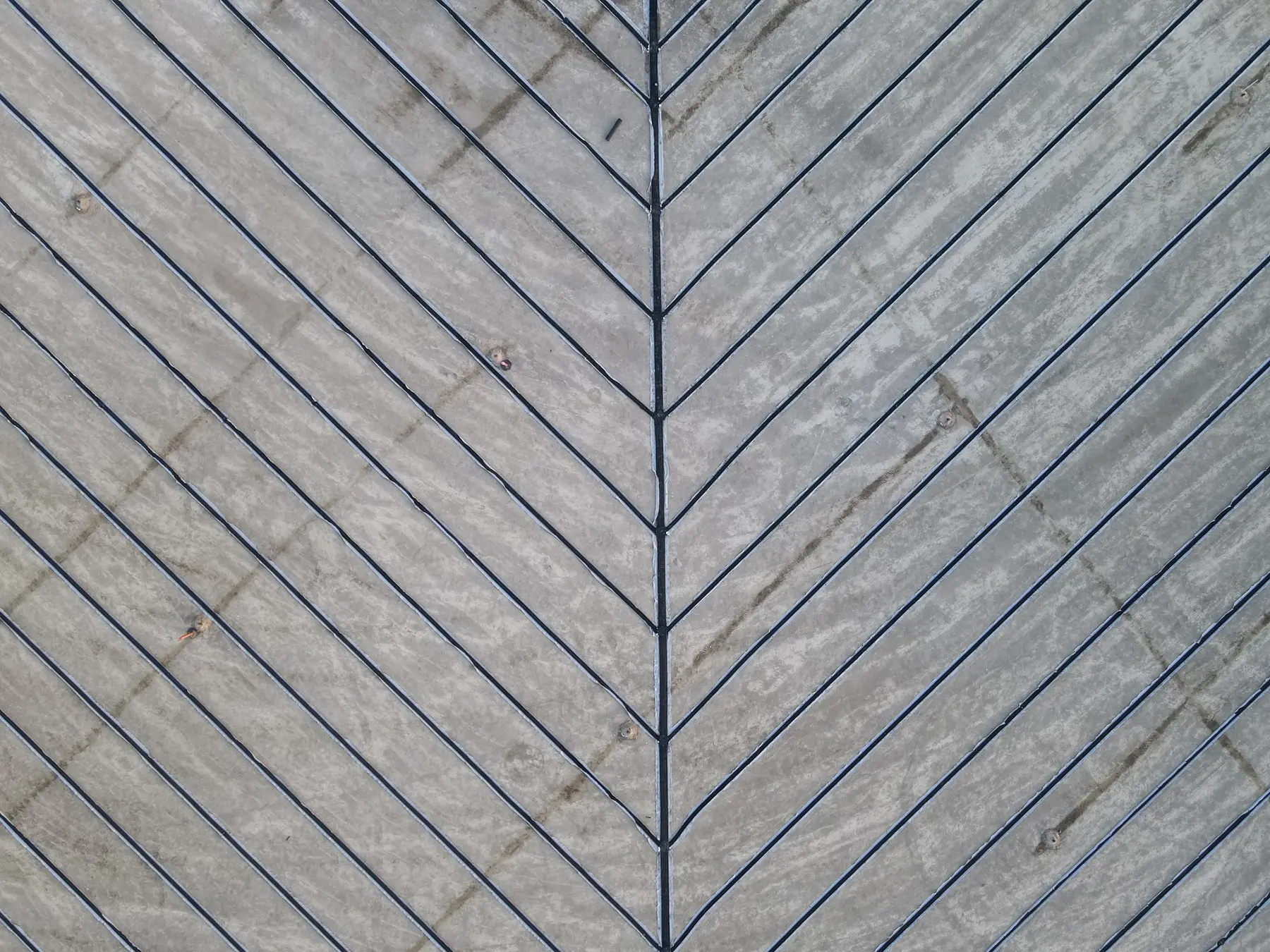
Sustainability also means building infrastructure that performs. Good earthworks, drainage, irrigation, profiles and establishment practices help sporting surfaces use resources effectively and remain serviceable well beyond handover.
Council projects demand more than good intentions. SJM translates environmental requirements into site controls that can be communicated, inspected and reported throughout delivery.
Project-specific environmental planning and clear site responsibilities
Erosion, sediment, dust, noise, mud and water-quality controls
Waste separation, recovery opportunities and responsible disposal pathways
Site inspections, corrective actions and transparent project reporting
Talk to SJM about the environmental priorities and reporting requirements for your next project.